GIGABYTE vs Msi Graphics Cards (2026)

We earn a commission when you buy through our links, at no extra cost to you. As an Amazon Associate I earn from qualifying purchases.
Quick answer
Choose GIGABYTE when you want 8 to 12 GB of GDDR6 or GDDR6X memory with 3X WINDFORCE cooling: the RTX 4070 gives 12 GB on a 192-bit bus and the RTX 3080 gives 10 GB on a 320-bit bus. Choose MSI when you want the 16 GB GDDR7 RTX 5070 Ti at 2497 MHz or a smaller card like the 4 GB GT 1030.
Specs side by side
| Spec | GIGABYTE | Msi |
|---|---|---|
| VRAM | 8 GB, 10 GB, 12 GB | 16 GB, 4 GB, 6 GB |
| Boost clock | — | 2.5 GHz, 1.43 GHz, 1.83 GHz |
Each cell lists the figure for every pick on that side, in the order shown below.
The picks on each side
GIGABYTE


Msi

- VRAM
- 6 GB
- Boost clock
- 1.83 GHz
Key differences
VRAM capacity
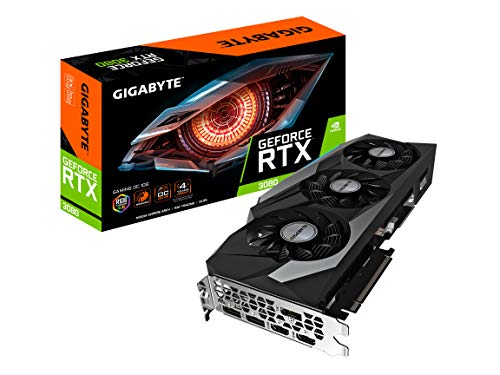
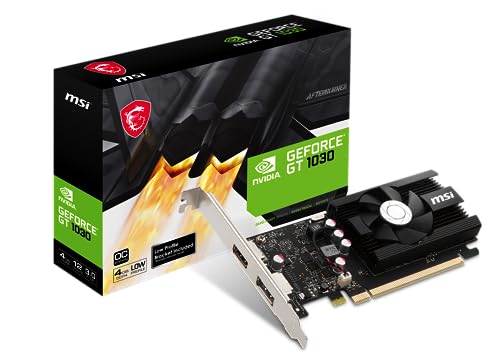
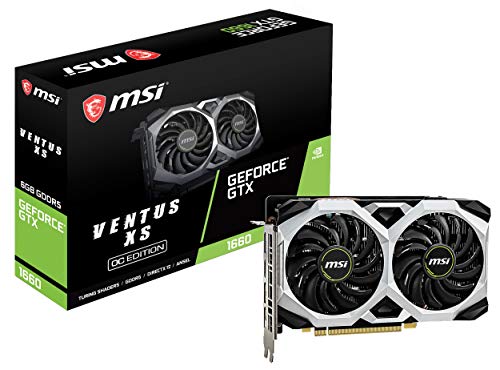
The GIGABYTE cards carry 8 to 12 GB: the RTX 4060 has 8 GB, the RTX 3080 has 10 GB and the RTX 4070 has 12 GB. The MSI cards run wider, from 4 to 16 GB: the GT 1030 has 4 GB, the GTX 1660 has 6 GB and the RTX 5070 Ti has 16 GB. Memory runs from 4 GB on the GT 1030 to 16 GB on the RTX 5070 Ti, with the RTX 4070 at 12 GB in between.
Memory type and bus width
The GIGABYTE cards use GDDR6 and GDDR6X: the RTX 4060 uses 8 GB GDDR6 on a 128-bit interface, the RTX 3080 uses 10 GB GDDR6X on a 320-bit interface, and the RTX 4070 uses 12 GB GDDR6X on a 192-bit interface. The MSI cards mix three types: the RTX 5070 Ti uses 16 GB GDDR7 on a 256-bit interface, the GTX 1660 uses 6 GB GDDR5 on a 192-bit interface, and the GT 1030 uses 4 GB DDR4 on a 64-bit interface. Bus widths run from 64-bit on the GT 1030 to 320-bit on the RTX 3080.
Cooling and fans
All three GIGABYTE cards use 3X WINDFORCE fans: the RTX 4060, the RTX 3080 and the RTX 4070 each use 3X WINDFORCE cooling, and the RTX 3080 adds alternate spinning fans. The MSI cards differ card to card: the RTX 5070 Ti uses TORX Fan 5.0 with ring-linked blades, a nickel-plated copper baseplate and core pipes, the GTX 1660 uses a dual fan design, and the GT 1030 uses a single fan. The GIGABYTE side repeats one fan system across all three cards; the MSI side fits the fan setup to each card.
Which one to choose
Choose GIGABYTE if
- You want 12 GB of GDDR6X memory on a 192-bit bus
- You want 3X WINDFORCE cooling with RGB Fusion and a metal back plate
- You want an RTX 3080 with 10 GB GDDR6X on a 320-bit bus
Choose Msi if
- You want 16 GB of GDDR7 memory on a 256-bit bus
- You want TORX Fan 5.0 cooling with a nickel-plated copper baseplate
- You want a 4 GB DDR4 card with a single fan
FAQ
Which side has more VRAM?
The MSI side runs 4 to 16 GB: the RTX 5070 Ti has 16 GB, the GTX 1660 has 6 GB and the GT 1030 has 4 GB. The GIGABYTE side runs 8 to 12 GB: the RTX 4060 has 8 GB, the RTX 3080 has 10 GB and the RTX 4070 has 12 GB.
Which cards use GDDR7 memory?
Only the MSI RTX 5070 Ti uses GDDR7: 16 GB on a 256-bit interface. The GIGABYTE cards use GDDR6 or GDDR6X, and the other MSI cards use GDDR5 on the GTX 1660 and DDR4 on the GT 1030.
Which cards have 3X WINDFORCE fans?
All three GIGABYTE cards use 3X WINDFORCE fans: the RTX 4060, the RTX 3080 and the RTX 4070. The MSI cards use TORX Fan 5.0 on the RTX 5070 Ti, a dual fan on the GTX 1660 and a single fan on the GT 1030.
Bottom line
Buy GIGABYTE when you want 8 to 12 GB of GDDR6 or GDDR6X memory with 3X WINDFORCE cooling across the range, like the 12 GB RTX 4070. Buy MSI when you want the 16 GB GDDR7 RTX 5070 Ti at 2497 MHz or a smaller 4 GB or 6 GB card. The GIGABYTE side repeats one cooling system; the MSI side spans 4 GB to 16 GB.
Keep comparing

Written by Nathan Reeve, WiseSplurge editor
Specs come from each maker's Amazon listing and were last checked on November 29, 2026. Each WiseScore (out of 10) blends those specs with Amazon sales data. We compare published figures rather than testing products in person.