Home/Audio & Music/Digital Mixers
Digital Mixers
Our main digital mixers guide is pinned first. The other 2 narrow the list to a specific need.
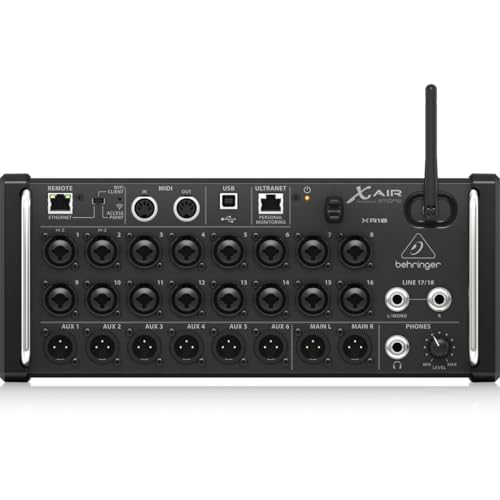
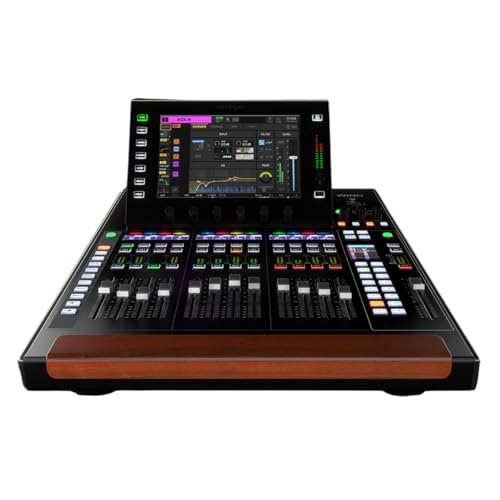
How to choose a digital mixer
Digital mixers in this category separate on power, monitoring, and sample rate as much as on anything else. One mixer runs on battery power, two feed condenser microphones with 48V phantom power, and two state a 96kHz sample rate. Headphone monitoring runs from two outputs on one mixer to two customized mixes on another. The sections below explain what each figure means and where it sits across the ten mixers here.
Power: battery and 48V phantom
Power decides where a mixer works and which microphones it can run. The Zoom LiveTrak L-6 runs on battery power, so it works away from a wall outlet and travels with the rest of a portable rig. Microphone power is a separate question: condenser microphones need 48V phantom power, and two mixers in this category state it. The Mackie DLZ Creator XS requires 48V phantom power for condenser microphones, toggled on in its setup menu. The Behringer FLOW 8 provides 48V phantom power. Count the condenser microphones in your setup before you choose: the DLZ Creator XS and the FLOW 8 are the two mixers here that state 48V phantom power.
Headphone outputs and monitor mixes
Headphone monitoring decides how many people can hear their own mix during a session. The Soundcraft Ui16 has two quarter-inch headphone outputs with level control, so two listeners can plug in and set their own volume. The Mackie DLZ Creator XS gives two people their own customized headphone mixes, so a host and a guest each hear the balance they need while they speak. Two headphone mixes matter when two microphones are live at once, since each person hears themselves against the other voice. Count the people who need to monitor, then check the figure: 2 headphone outputs on the Ui16 and 2 customized headphone mixes on the DLZ Creator XS.
Sample rate on the Yamaha mixers
Sample rate sets how many times per second a mixer measures the incoming sound. Both Yamaha DM3 models state a 96kHz sample rate, so the DM3-D and the DM3 Standard share the same figure. A sample rate figure tells you how finely the mixer measures sound, and a higher figure means more measurements in each second. The figure is the same on both models, so it does not separate them from each other. Check the sample rate when you compare mixers, and note which mixers state one: the DM3 models are the two mixers here that state 96kHz.